Crate Training on Long Island, NY
From whining at bedtime to a chewed-up house while you’re at work, life without a crate routine is hard on you and your dog. Our crate training on Long Island helps your dog see the crate as a calm, safe space of their own, with board and train in Kings Park or private lessons in your home. Your free consultation is the first step: Rikki learns about your dog, answers your questions and recommends the right program.
Check Out Our Reviews
How Crate Training Comes Together
Free consultation
Describe how your dog reacts to the crate now and what a good day would look like. Rikki answers your questions and recommends the program that matches your dog and your goals.
Small, calm steps
Your dog learns to walk in on cue, settle down and wait to be released, with time in the crate built up gradually and always after exercise and play, never as a punishment.
A routine you can run
We teach you the same cues, the same timing and the same calm exits, so the crate keeps feeling like a safe place once your dog is back in your home.
A Quiet Den, Not a Time-Out
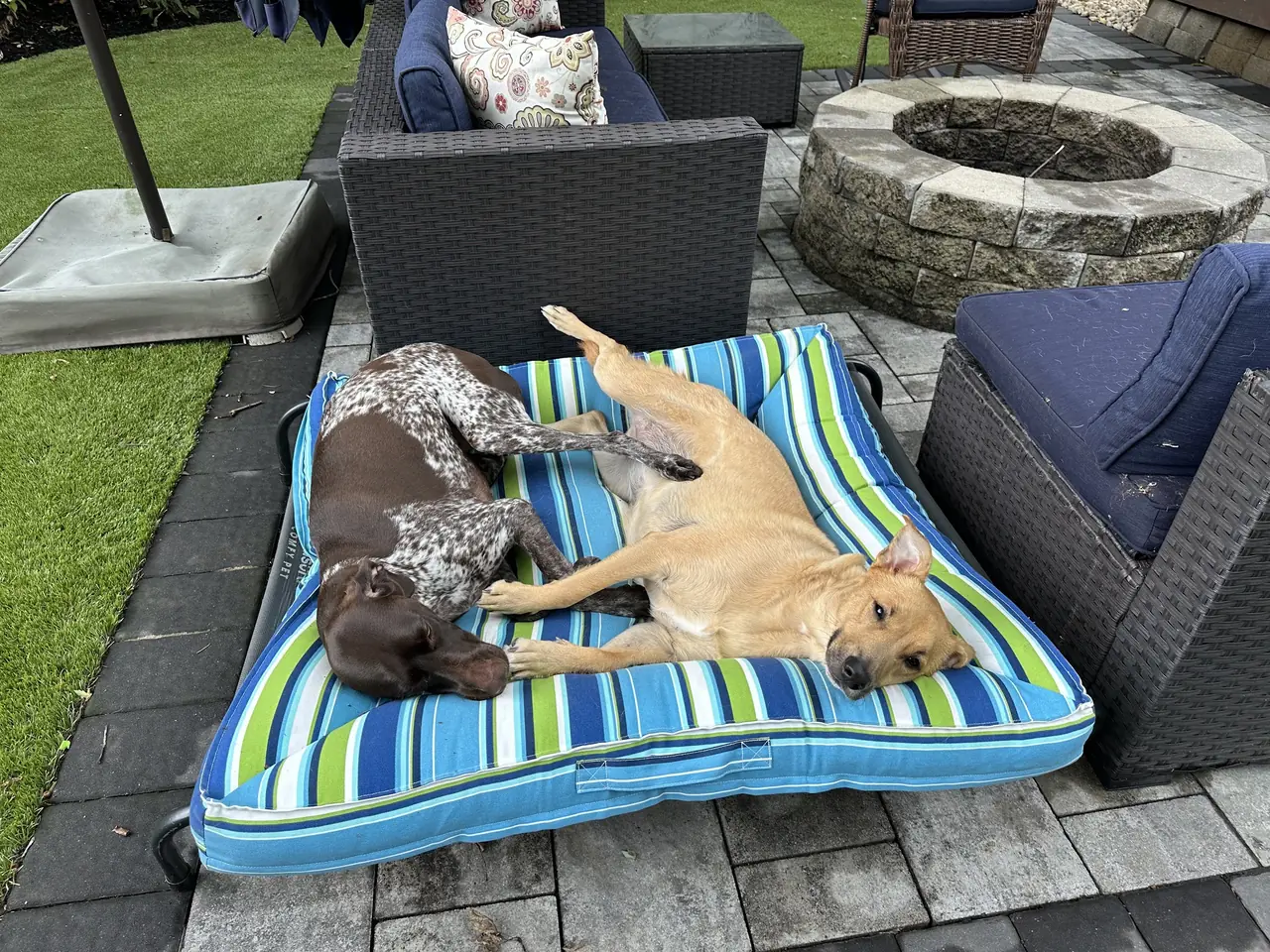
Many dogs like having a small, sheltered spot that belongs only to them. When it is introduced the right way, a crate becomes that spot: somewhere to nap, chew a toy and rest while the house is busy, rather than a place your dog gets sent when they are in trouble.
The goal is a dog who walks in on their own, lies down and relaxes. That takes patience and a plan that respects how your dog feels about small spaces, especially if they have had a bad experience with a crate before.
We never rush it. A dog who is pushed into a crate before they are ready tends to fight it harder next time, so every step is small and every success is rewarded.
What a Calm Crate Makes Easier
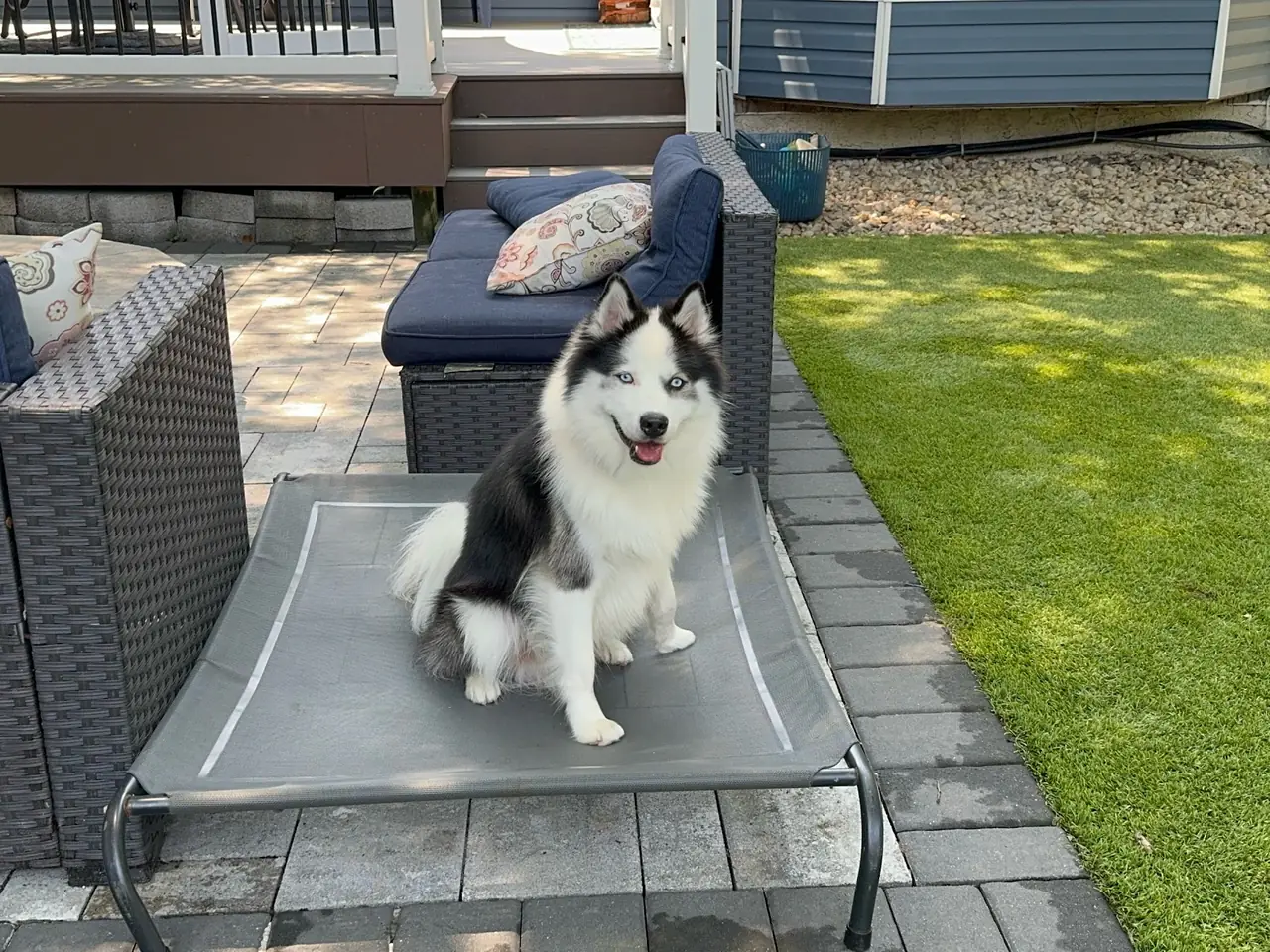
A crate is one of the most useful tools a dog owner can have, for puppies and adult dogs alike. Here is where it pays off in everyday life.
Quieter nights
A dog who settles in the crate at bedtime lets the whole house sleep, instead of pacing, whining or wandering the halls at 3 a.m.
Support for house training
Most dogs avoid soiling their resting spot, so a crate paired with a regular schedule helps potty habits come together.
A safe house while you’re out
No chewed cords, raided trash or swallowed socks while you run errands. Your dog rests safely and your belongings stay in one piece.
Busy days and visitors
Deliveries, guests, contractors, a crowded holiday table: a crate gives your dog a calm place to wait it out instead of getting overwhelmed.
Vet visits and recovery
Dogs who are comfortable in a crate tend to handle vet stays, rest after a procedure and other unfamiliar moments with less stress.
Time away from home
A dog who already knows how to rest in a small space usually adjusts more easily to travel or a boarding stay.
Crate Battles vs. Crate Calm
Each dog moves at their own speed. Here’s what Long Island owners are usually aiming for when they reach out about the crate.
Right now
- Whining and barking at bedtime
- Bracing at the door, refusing to go in
- Bolting out the moment it opens
- Chewing furniture while you’re out
- Accidents with no routine to fix them
- Jumping on guests at the front door
- Pacing and restless when you leave
Working toward
- Settling down for the night
- Walking in on a simple cue
- Waiting calmly to be released
- A safe dog and an intact living room
- A schedule that supports potty habits
- A quiet spot to wait while guests arrive
- Resting while you’re gone
Worked On Every Day, Never Promised
Rikki asked us to make one thing clear on this page: crate training is something we work on with care every day, but nobody can promise exactly how quickly a dog will come to love the crate, or that a dog will never fuss in it again. Every dog brings their own history, temperament and comfort level with small spaces.
What we can tell you is how we approach it. Rikki builds each plan around the individual dog: their energy, what their body language tells her and how sensitive they are, from small pups to large working breeds. We go at your dog’s pace, build calm associations step by step and show you how to keep it going.
Sometimes the crate isn’t really the problem. A dog who panics, drools, chews at the door or tries to break out whenever they are left alone may be dealing with separation anxiety, which needs its own plan. Rikki evaluates every dog first, so if that is what is going on, she will tell you and recommend the right program.
Crate Training at Our Place or Yours
With board and train, your dog stays in Kings Park as part of the Ruff Haus K9 household for two to four weeks or more, and Rikki keeps the group small each month. Sessions run daily on a schedule made for your dog, crate time is part of the daily rhythm, and a fenced yard gives room for running, playing and resting in between. Dogs can join from 5 months of age.
Private in-home lessons take place wherever your dog’s crate actually sits, whether that’s in Smithtown, Commack, Huntington or another town across Suffolk and Nassau counties. You learn to train your dog yourself, plus the commands that make crate time easier and how to tell what your dog’s posture and expressions are saying.
Either way, crate habits are worked on together with the rest of your dog’s manners and obedience, so you leave with a better-behaved dog overall.
- Going in on cue and waiting to be released
- Place, down and stay for settling skills
- Door manners that carry over to the crate door
- Crate time woven into a steady daily schedule
- Coaching for you at pickup or in your home
Crate Habits That Last at Home
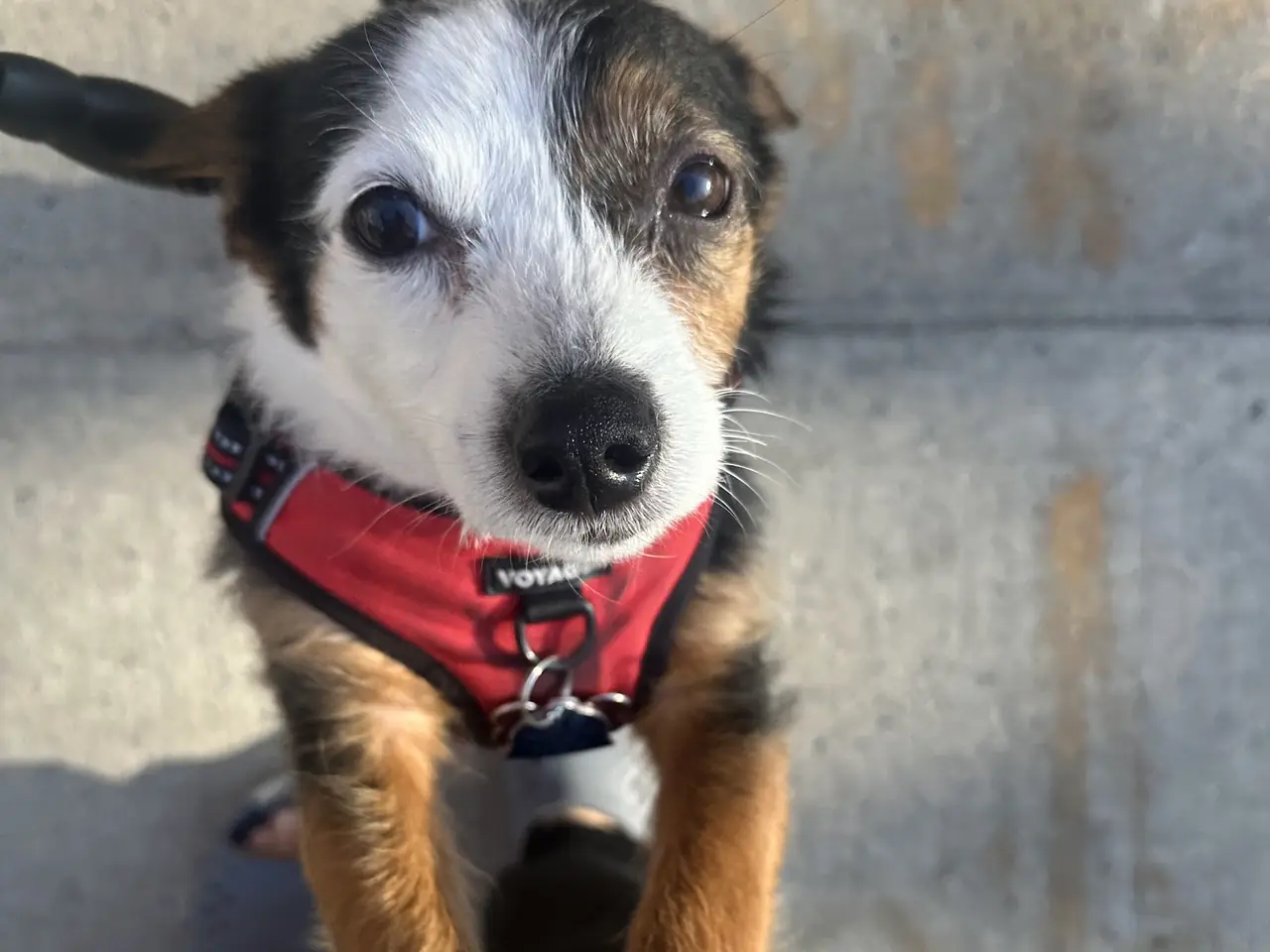
The crate only stays a calm place if the routine around it stays the same after training. That is why we put so much into coaching you, and why phone and email help stays open while you settle in and after.
If your dog wears an e-collar, the care habits matter here too: it goes on only when you are with your dog and comes off at night, so it never stays on while your dog is resting in the crate alone.
Ready for calmer nights? Use the button below to fill out a quick form and claim your free consultation. Rikki will learn about your dog, answer what you want to know and recommend a plan around your goals.
- Where to put the crate so your dog feels part of the family
- Exercise and a potty break before crate time
- Calm, low-key entries and exits, no big goodbyes
- A clear release cue so your dog waits to come out
- Never using the crate as a punishment

Crate Training Questions
How old does a dog have to be to be crate trained?
Puppies and older dogs alike can learn to rest calmly in a crate. Crate work is included in programs that dogs can join from 5 months. Have a younger puppy? Contact us and Rikki will talk through the best time to begin.
What are common dog training methods?
Most trainers use reward-based training, correction-based training or a mix of the two, and some add tools like the e-collar. Rikki’s approach blends exercise, affection, positive reinforcement and e-collar training, with the collar starting at its lowest level and adjusted to your dog’s temperament. You learn exactly how each tool works.
Is crate training cruel?
Not when it is done with care. A crate introduced gradually, never used as a punishment and balanced with plenty of exercise, play and time with the family gives many dogs a place they choose to rest in on their own.
Will my dog stop crying in the crate for good?
We work on it daily during every program, but we won’t promise that a dog will never fuss in the crate again. What we can do is build calm habits one small step at a time and show you how to keep the crate routine steady once your dog is home.
How long can my dog stay in the crate?
It depends on your dog’s age, potty needs, energy level and daily routine. Young puppies can’t hold it as long as adult dogs, and every dog needs exercise, play and time with you outside the crate. Rikki helps you build a realistic schedule for your household.
What if my dog panics in the crate?
Real panic, like drooling, injuring themselves on the door or trying to break out, usually points to fear or separation anxiety rather than a crate problem. Every dog gets evaluated before Rikki recommends a plan, which may be our separation anxiety training.
How much does crate training cost on Long Island?
The cost depends on your dog, the program that suits them and what they need to learn. Crate work inside a short board and train looks different from crate work over several in-home lessons. Once Rikki knows your dog, she explains the options and gives you an exact quote on your free consultation.
Explore Other Programs
Potty Training
A clear routine, fewer accidents and a plan you can keep up at home. Worked on with care, never over-promised.
Puppy Training
House manners, leash skills and good habits for your puppy, through puppy board and train or in-home lessons.
Separation Anxiety
Help for dogs that panic, cry or destroy things when left alone, so you can leave the house again.
Get Started Today
Claim your free consultation for crate training on Long Island. Rikki will learn about your dog, answer your questions and recommend a program built around your goals.