Aggressive Dog Training on Long Island, NY
Growling at guests, stiffening over a food bowl or lunging at the neighbor’s dog can make every day at home feel tense. Our aggressive dog training on Long Island starts with an honest look at your dog, then a clear plan for calmer, safer behavior you can keep up. Get started today with a free consultation: Rikki learns about your dog, answers your questions and recommends the right program.
Check Out Our Reviews
Four Steps Toward a Safer Dog
Free consultation
Describe the growling, snapping or guarding, what tends to set it off and any bite history. Rikki listens, answers what you ask and suggests a plan shaped around your goals and your dog.
An honest evaluation
Rikki evaluates every dog before recommending a program. If your dog isn’t a safe fit for Ruff Haus K9, she’ll tell you directly and point you toward the kind of help your dog needs.
Training in the right format
Most dogs with aggression concerns do best in a longer board and train, often 4 weeks or more. Where it suits your dog and your situation, private lessons at your home are another option.
Hand-off and support
At pickup, Rikki coaches you through each cue, the hand signals and the gear, hands-on. A follow-up session once your dog has settled back in, with support by phone or email, keeps you on track.
Slight to Moderate, Assessed Honestly
Ruff Haus K9 works with dogs showing slight to moderate aggression. We don’t take on severe cases. That line is about safety for your family, your dog and our team, and it’s never a judgment of your dog or of you.
The word “aggressive” covers a lot of ground. Owners often use it for a dog that barks and lunges on the leash, a nervous dog that growls when cornered, or a young dog that was simply never taught boundaries. Many of those dogs aren’t truly aggressive. They may be reactive, fearful or under-trained, and each of those needs a different plan.
That’s why Rikki evaluates every dog first. If what she sees is reactivity, our reactive dog training is the better match. If a case is more serious than we take on, she’ll say so plainly and suggest where to turn next. She may decline a dog that isn’t a safe fit, and you’ll always get a straight answer about why.
One more note: if aggression appeared suddenly in a dog that used to be easygoing, a visit to your vet is a smart first step. Pain or other health problems can make a dog defensive, and that’s worth ruling out before training starts.
Walking on Eggshells vs. Clear Routines
Every dog moves at its own pace, and no trainer can guarantee how aggression will change. These are the improvements we work toward with each family.
Where you are now
- Growling when guests come through the door
- Stiffening over the food bowl or a toy
- Lunging at dogs across the street
- Snapping when handled or startled
- Your dog is shut away during visits
- Walks timed to avoid the neighbors
- Nobody at home can fully relax
What we work toward
- Guests come in while your dog settles
- Meals and chews with less tension
- Passing other dogs under control
- Calmer responses to touch and surprises
- Your dog joins family time on place
- Walks at the times that suit you
- Clear rules everyone in the house uses
The Kinds of Aggression We Address
Aggression isn’t one problem. A dog that guards a bone needs a very different approach from a dog that charges the fence, so the plan starts with understanding what drives the behavior.
Dog-to-dog aggression
Lunging, growling or scuffles with other dogs, on walks or with dogs in the same home. Training builds control and focus, and desensitization works on how your dog feels about other dogs nearby.
Aggression toward people
Barking, growling or charging at visitors, delivery drivers or strangers on the street. We work on calm greetings, space and manners so people can come and go without a standoff.
Food and resource guarding
Freezing, growling or snapping over food, toys, bones, furniture or a favorite person. Clear rules and consistent handling help your dog stop treating every valued thing as something to defend.
Fear aggression
A scared dog may growl or snap to make something go away. Here the work is about confidence: structure, gradual exposure and clear direction so your dog doesn’t feel it has to fight.
Territorial behavior
Guarding the yard, the front door, the window or the car. Your dog learns that keeping the house safe is your job, not its job, and that a calm response gets far better results.
Board and Train or Lessons at Home
For most dogs with aggression, board and train is the core program, and it usually runs longer: 4 weeks or more gives a dog with more serious concerns the extra time it needs. Your dog moves in with the Ruff Haus K9 family for the length of the program. It isn’t an overcrowded facility, and the number of dogs accepted each month is kept small on purpose.
Every day brings training sessions on a customized schedule, exercise in a fenced yard and calm downtime. Problems get handled the moment they surface, and three times a week you receive photos and videos so you can watch the progress yourself.
Private in-home lessons can fit some dogs, especially when the trouble happens mainly at home. Your trainer teaches you how to train your dog, right where the problems happen, and how to read your dog’s body language before things escalate.
- Board and train: usually 4 weeks or longer for aggression
- Desensitization work around real triggers
- Hands-on go-home lesson and a follow-up session
- In-home lessons where they suit your dog
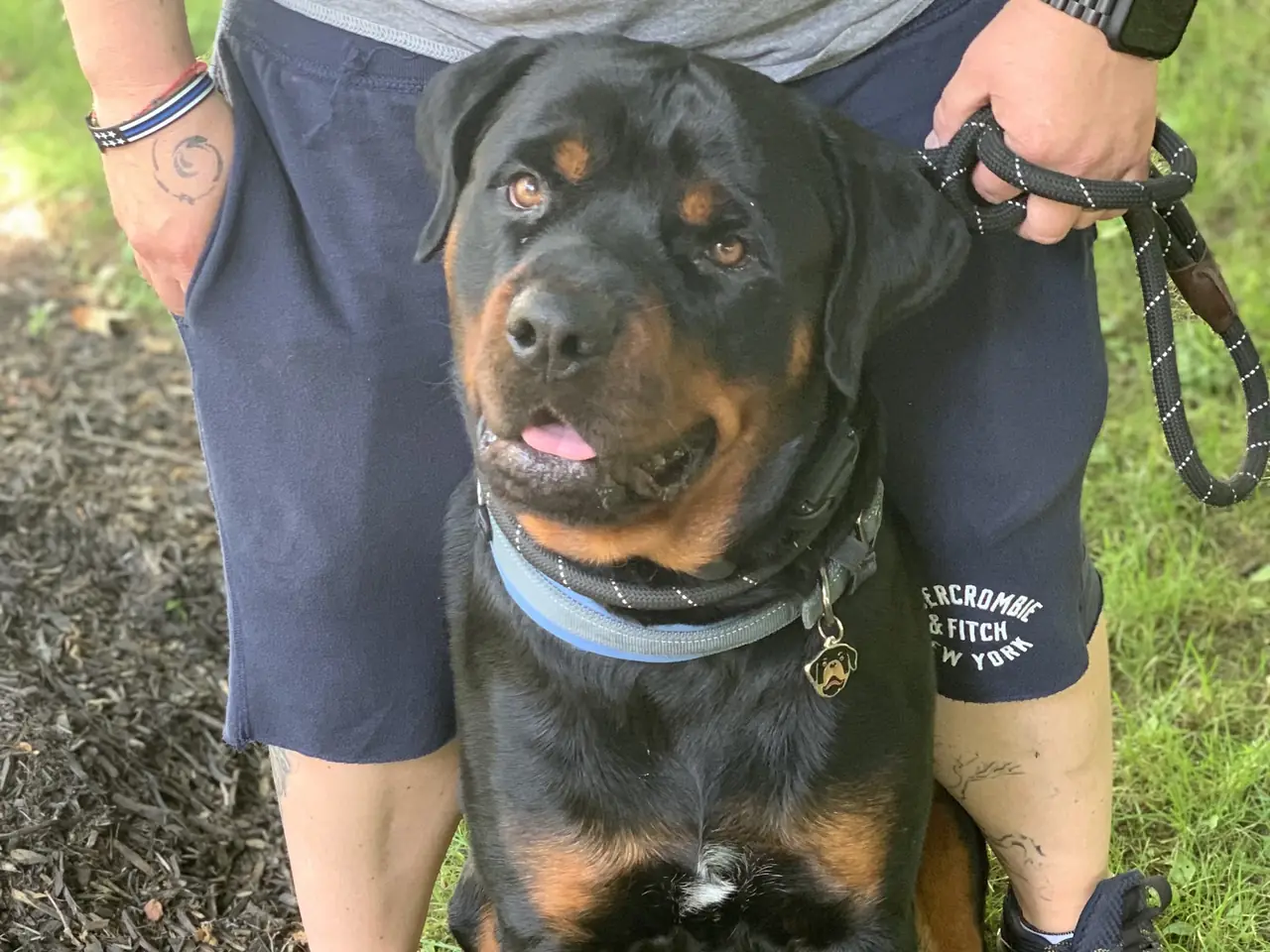
Calm Structure Comes Before Triggers
Rikki is a graduate of Animal Behavior College in dog obedience and behavior modification, and her plans start with the basics that make every other step possible. Obedience becomes the common ground between you: heel, out, place and a reliable come give your dog clear things to do instead of reacting.
Affection, exercise, positive reinforcement and e-collar work are blended into one plan, tuned to how energetic, sensitive and expressive your dog is. The e-collar begins at zero and is raised only when needed, staying at low, humane levels. For many dogs that low-level stimulation has a calming, focusing effect.
Once that foundation is steady, desensitization work gradually softens how strongly your dog responds to its triggers, one small step at a time. Sessions then head out to parks and busy stores, so the new habits hold up beyond the yard.
If this sounds like your dog, the next step is simple. Use the button below to request your free consultation, and Rikki will talk through your dog’s history and the program she’d suggest.
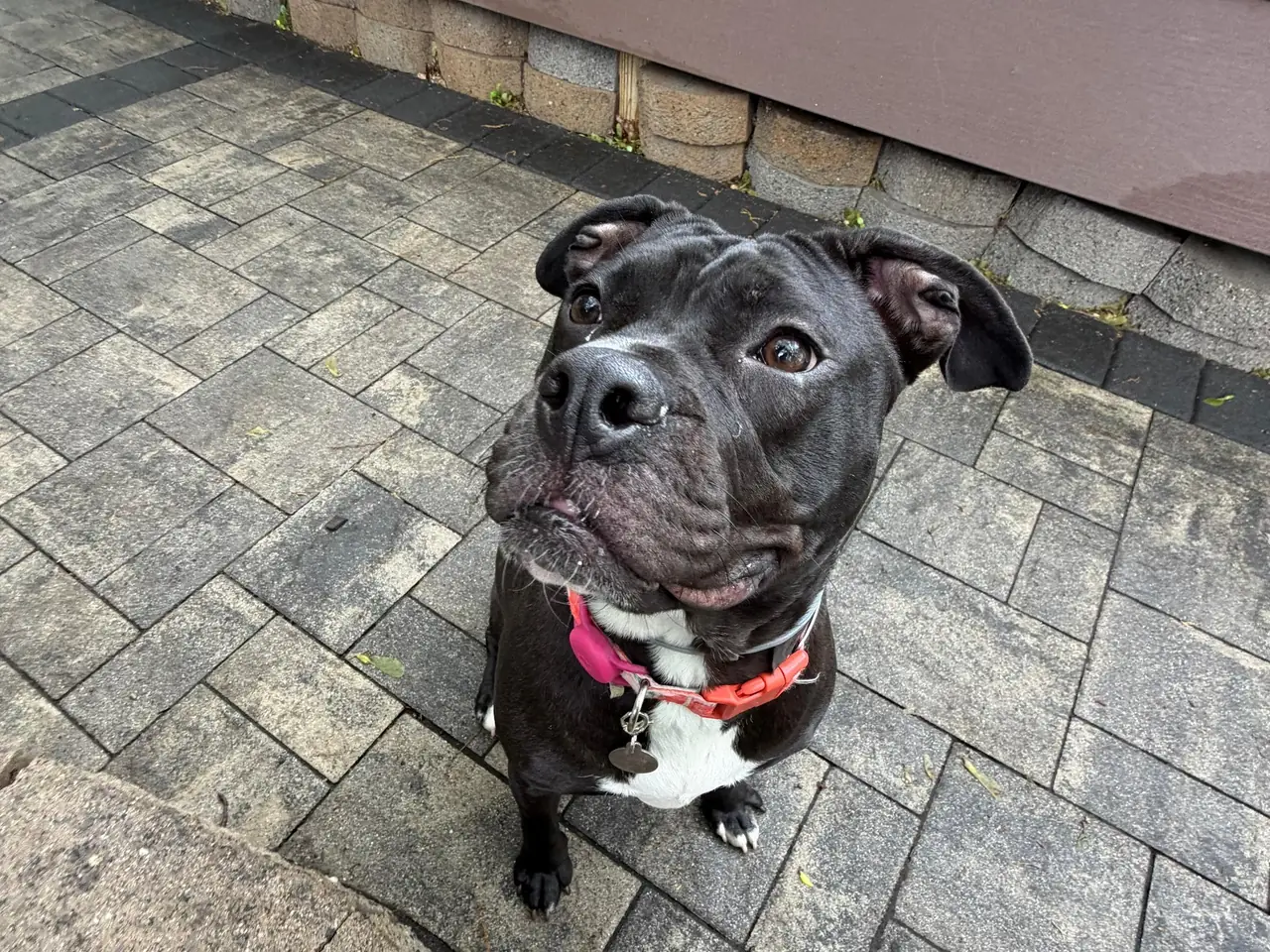
Your Role Once Your Dog Is Home
Aggression training doesn’t end at pickup. The habits your dog builds with us last when the whole household follows the same rules, uses the same commands and stays consistent day after day. You play an active part, and that’s what makes the results stick.
You’ll learn exactly how the e-collar works and how to use it fairly. Simple care habits matter too: a snug two-finger fit, the collar on only while you’re with your dog, off at night, and the leash on a separate collar or harness.
Questions after you get home are normal. Your follow-up session and phone and email support are there for them, whether you live in Kings Park, Smithtown, Huntington or anywhere else in Suffolk and Nassau counties.
- One set of rules for every family member
- Practice the go-home lesson skills every day
- Manage risky moments while habits settle in
- Reach out early when something feels off
Aggressive Dog Training Questions
Can you train a dog out of aggression?
Many dogs with slight to moderate aggression become calmer and more predictable with behavior modification, clear structure and consistent handling at home. Aggression is worked on throughout the program, but no honest trainer can guarantee it will disappear for good. Results depend on your dog’s history, what drives the behavior and how well the family keeps up the plan. Rikki gives you a realistic picture on your free consultation.
How much does it cost to get an aggressive dog trainer on Long Island?
There’s no single number, because it depends on your dog, the program and what your dog needs. A dog that guards its food bowl and a dog that charges visitors may need very different amounts of work, so each plan is customized. Once Rikki has heard your dog’s story on the free consultation, she lays out the options and gives you an exact quote.
Do you take dogs with severe aggression?
No. Ruff Haus K9 works with slight to moderate aggression only. Rikki evaluates every dog first, and if a case is more serious than we take on, she’ll tell you and suggest where to look for the right help. She may also decline a dog that isn’t a safe fit for the program.
My dog has bitten before. Should I still reach out?
Yes, and please share the full story on your free consultation: when each bite happened, what led up to it and how serious it was. Bite history has to be disclosed so Rikki can judge honestly whether a program is safe and right for your dog.
How do I know if my dog is aggressive or reactive?
Reactivity is an outsized reaction to a trigger, like barking and lunging at a dog on the leash. Aggression means a dog is willing to growl, snap or bite to make something go away. Many dogs labeled aggressive are actually reactive, fearful or under-trained. Rikki sorts that out on your consultation, and reactive dogs have their own program with us.
Is growling in a young dog a sign of aggression?
Not always. Young dogs growl in play, when tired or when they don’t know the rules yet, and some of it is normal. Guarding, stiffening or snapping is worth taking seriously early. Our training programs start at 5 months; for younger pups, get in touch and Rikki can map out a sensible start.
Is the e-collar safe for an aggressive dog?
It’s used carefully and at low, humane settings. Every session begins at level zero, the level rises only if your dog needs it, and it’s set to suit your dog’s temperament. An Educator e-collar for your dog to keep is included with the board and train program, and you’re shown how to use it properly before your dog comes home.
Where on Long Island do you work with aggressive dogs?
Our home base is Kings Park, and we train dogs from across Suffolk and Nassau counties, from Smithtown and Commack to Northport, Huntington and Stony Brook.
Explore Other Programs
Reactive Dog Training
Calmer walks past dogs, people and traffic, built on structure and step-by-step work around triggers.
Board & Train
Your dog lives and trains with Rikki and her team for 2, 3 or 4 weeks and comes home with the skills you want.
In-Home Training
Private one-on-one lessons at your home, where you learn to handle your dog right where the problems happen.
Get Started Today
Claim your free consultation for aggressive dog training on Long Island. Rikki will learn about your dog, answer your questions and recommend a program built around your goals.